
The Philippine Society of Sleep Medicine
The PSSM is the only professional organization of sleep experts in the Philippines with clinical training in the diagnosis and management of sleep disorders.
PSSM 19th Annual Convention:
Journey to Good Sleep, Empowering Clinicians in Elevating Sleep Health
19th Annual Convention
Journey to Good Sleep: Empowering Clinicians in Elevating Sleep Health
Attention
Uratex Philippines sponsored the public service announcement of the Philippine Society of Sleep Medicine (PSSM) entitled “Attention,” as part of the nationwide ‘Drowsy Driving Prevention campaign’ launched in December 2025.
Autopilot
Petron Corporation sponsored the public service announcement of the Philippine Society of Sleep Medicine (PSSM) entitled “Autopilot,” as part of the nationwide ‘Drowsy Driving Prevention campaign’ launched in December 2025.
Split-second
Philips Respironics sponsored the public service announcement of the Philippine Society of Sleep Medicine (PSSM) entitled “Split-second,” as part of the nationwide ‘Drowsy Driving Prevention campaign’ launched in December 2025.
Carousel Writeup 5
Lorem ipsum dolor sit amet, consectetur adipiscing elit, sed do eiusmod tempor incididunt ut labore et dolore magna aliqua. Ut enim ad minim veniam.
Carousel Writeup 6
Lorem ipsum dolor sit amet, consectetur adipiscing elit, sed do eiusmod tempor incididunt ut labore et dolore magna aliqua. Ut enim ad minim veniam.
Do you need personalized consultation with a sleep specialist?
Look for the sleep specialist closest to you.





Frequently Asked Questions

How much sleep do I really need?
The right amount of sleep varies depending on factors such as age, lifestyle and individual needs. Generally, adults should sleep 7 or more hours per night for optimal functioning, while children and teenagers need more sleep.
The American Academy of Sleep Medicine recommends:
- Infants 4 months to 12 months should sleep 12 to 16 hours per 24 hours (including naps)
- Children 1 to 2 years of age should sleep 11 to 14 hours per 24 hours (including naps)
- Children 3 to 5 years of age should sleep 10 to 13 hours per 24 hours (including naps)
- Children 6 to 12 years of age should sleep 9 to 12 hours per 24 hours
- Teenagers 13 to 18 years of age should sleep 8 to 10 hours per 24 hours
- Adults should sleep 7 or more hours per night
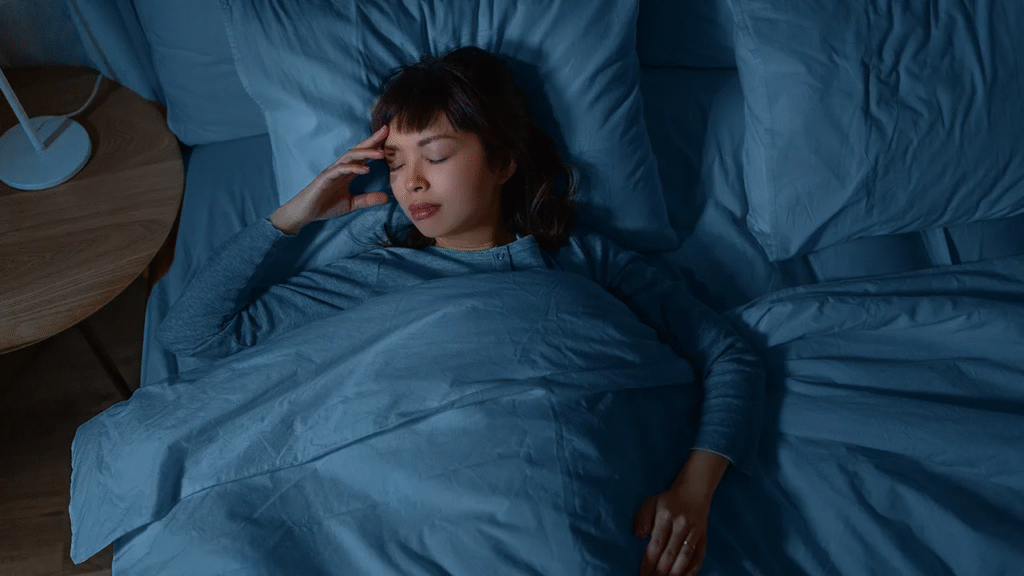
The best way to know if you get enough rest is to notice how you feel during the day. If you’re drowsy or want to nap, or even fall asleep while the sun is out-you probably need more sleep at zzZz’s at night.
What are the consequences of not getting enough sleep?
Sleep deprivation is the condition of not getting enough or insufficient sleep to meet the body’s needs. It can be acute (occurs in a single night or a few nights) or chronic.
It can seriously affect health and well-being by affecting physical and mental functions. Short-term consequences may include impaired cognitive function, mood disturbances and weakened immune function. Long-term consequences can include an increased risk of chronic conditions such as obesity, type 2 diabetes and cardiovascular disease. Sleepiness and fatigue on the job may lead to lost productivity, difficulty thinking creatively and more errors and accidents.
How can I improve my sleep quality?
It is not only important to have the right duration of sleep but also have good sleep quality by practicing healthy sleep habits daily.
- Maintain a consistent sleep schedule even on weekends.
- Keep naps short during the daytime (20-30 minutes only) and limited to the early afternoon (between 1:00-3:00pm).
- Optimize your sleep environment by making sure your bedroom is quiet and dark. Use an eye mask to keep room dark and earplugs to block out noise.
- Do not use your bed for anything except sleep. No use of cellphone or gadgets. No eating. No worrying. No watching TV. Sexual intimacy is the only exception.
- Limit consumption of caffeine, alcoholic beverages and heavy meals to avoid having sleep that is broken, shorter and less refreshing.
How does age affect sleep?
Sleep patterns naturally change with age, with older adults typically experiencing lighter and more fragmented sleep. Young children and teenagers require more sleep than adults due to their rapid growth and development. Understanding these age-related changes can help individuals adjust their sleep habits accordingly.
What are the signs of a sleep disorder?
There are a variety of sleep disorders. Some are common, while others are rare. Common signs of sleep disorders include difficulty falling or staying asleep, excessive daytime sleepiness, loud snoring, pauses in breathing during sleep, restless legs and abnormal behaviors during sleep.
If you suspect you have a sleep disorder, consult a sleep specialist for evaluation and diagnosis.
Should I see a sleep specialist?
If you are experiencing persistent sleep problems or suspect you have a sleep disorder, it’s advisable to see a sleep specialist at an accredited center.
These professionals have specialized training in diagnosing and treating sleep disorders and can provide personalized treatment recommendations based on your specific needs.
Search by Category
News and Announcements
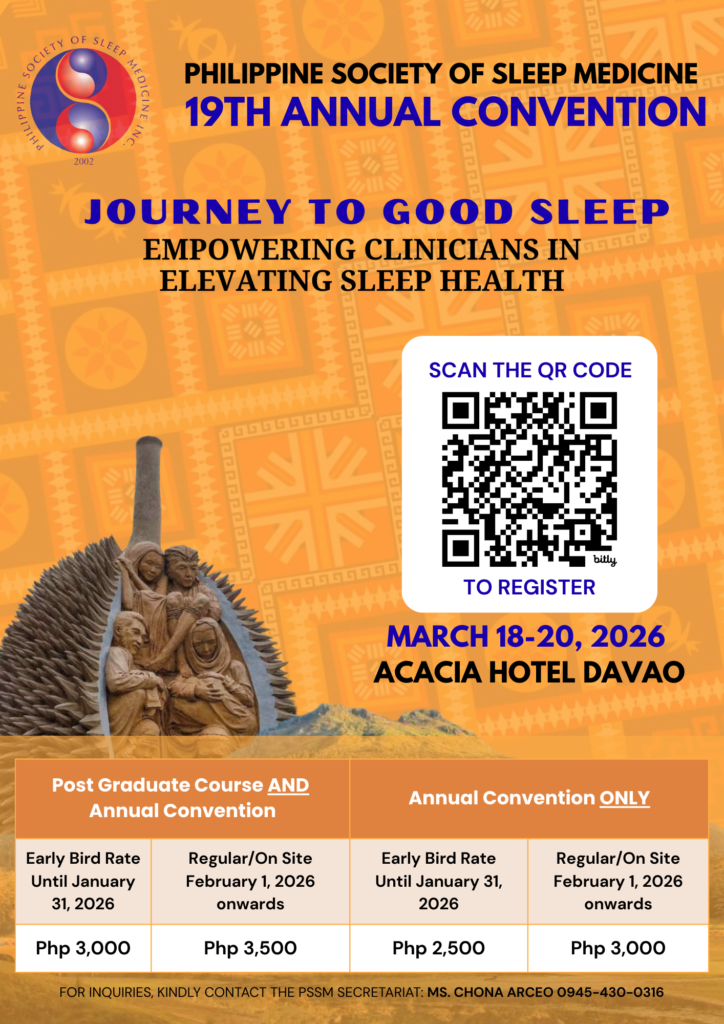
PSSM 19th Annual Convention:
Journey to Good Sleep, Empowering Clinicians in Elevating Sleep Health
As the Philippines currently faces a “sleep epidemic,” ranking as the most sleep-deprived country in Southeast Asia and 4th globally, with nearly 60% of Filipinos suffering from a lack of sleep, the call for the Philippine Society of Sleep Medicine (PSSM) to empower clinicians in elevating sleep health is urgent.
Drowsy Driving Prevention Launching at MMDA
“TABI MUNA.”
This is the slogan of the latest campaign this Christmas led by the Philippine Society of Sleep Medicine (PSSM), a non-governmental organization established in 2002 to promote awareness on the importance of sleep health, in partnership with the Metro Manila Development Authority (MMDA), Department of Transportation (DOTr), Uratex Philippines, Philips Respironics, and Petron Philippines.
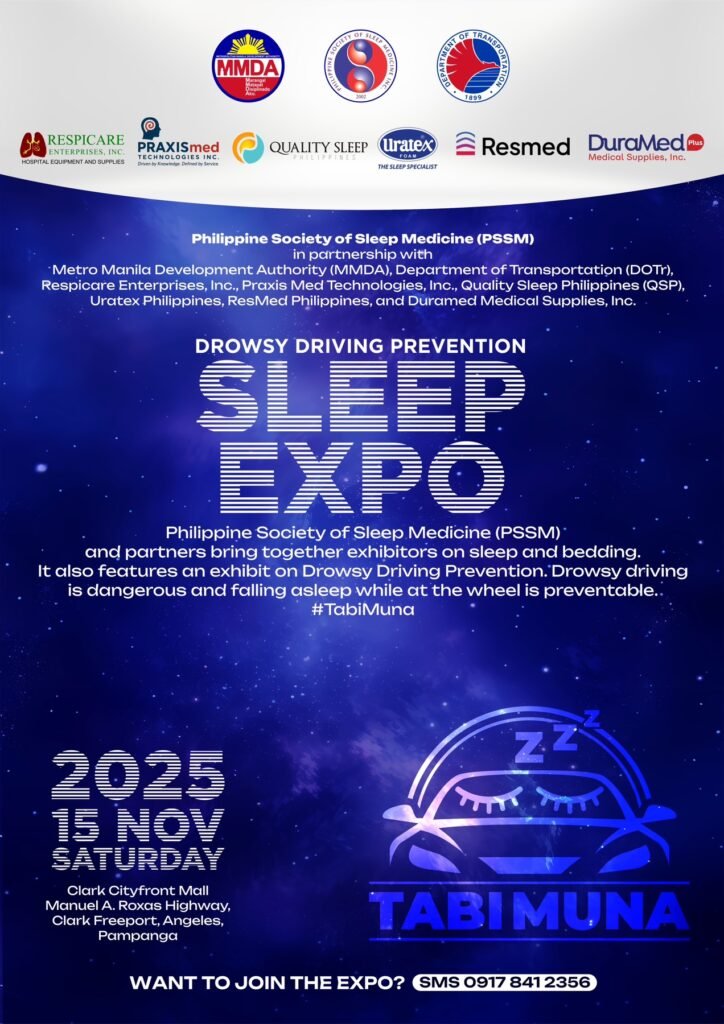
Sleep Expo & Regional Caravan launched in Clark
PSSM launches the Drowsy Driving Prevention campaign in Clark
The Philippine Society of Sleep Medicine (PSSM), a non-governmental organization established in 2002 to promote awareness on the importance of sleep health, launched the first ever Drowsy Driving Prevention campaign in a Sleep Expo last 15 November 2025, at the 3F Tower 1, Clark Cityfront Mall, Clark Freeport, Angeles City, Pampanga.
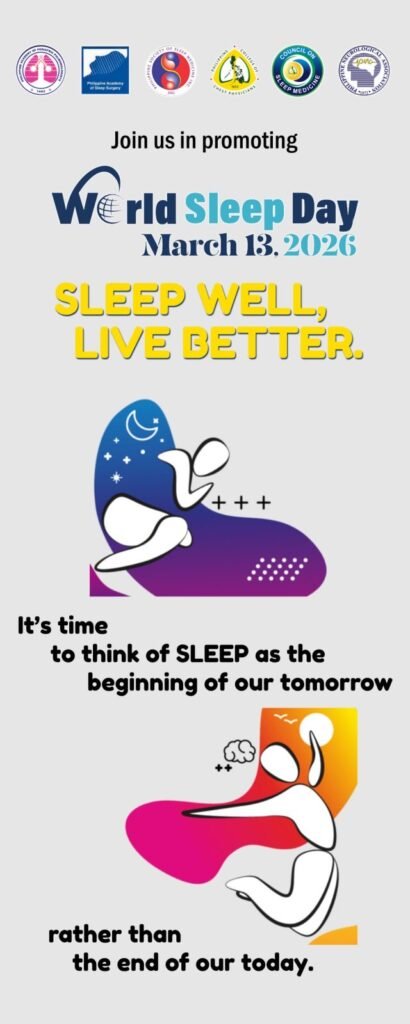
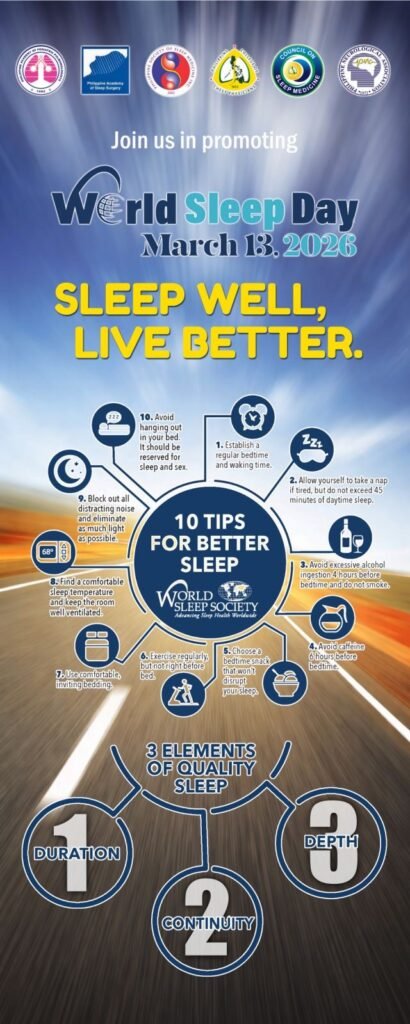
World Sleep Day
Sleep Well, Live Better
News Gallery


Looking for a doctor?
Find a certified doctor by searching either their name, location, or specialty.
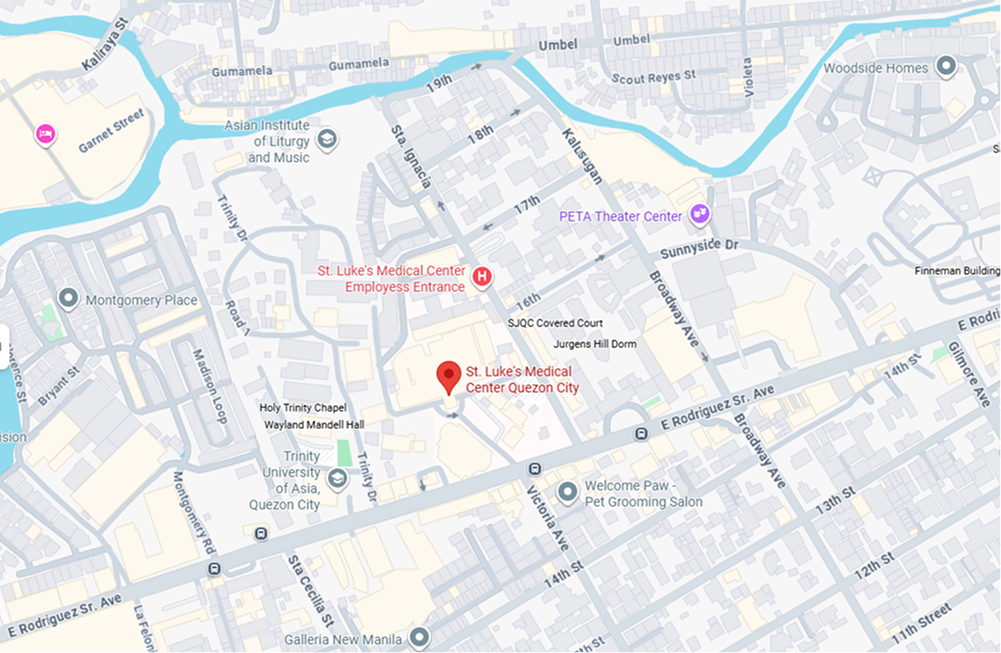
Address
Comprehensive Sleep Disorders Center
St. Luke’s Medical Center
279 E Rodriguez Sr Ave Quezon City
Contact
+63 945 430 0316
pssmi@yahoo.com
We would be glad to hear from you!
If you have any inquiries feel free to comment or ask.